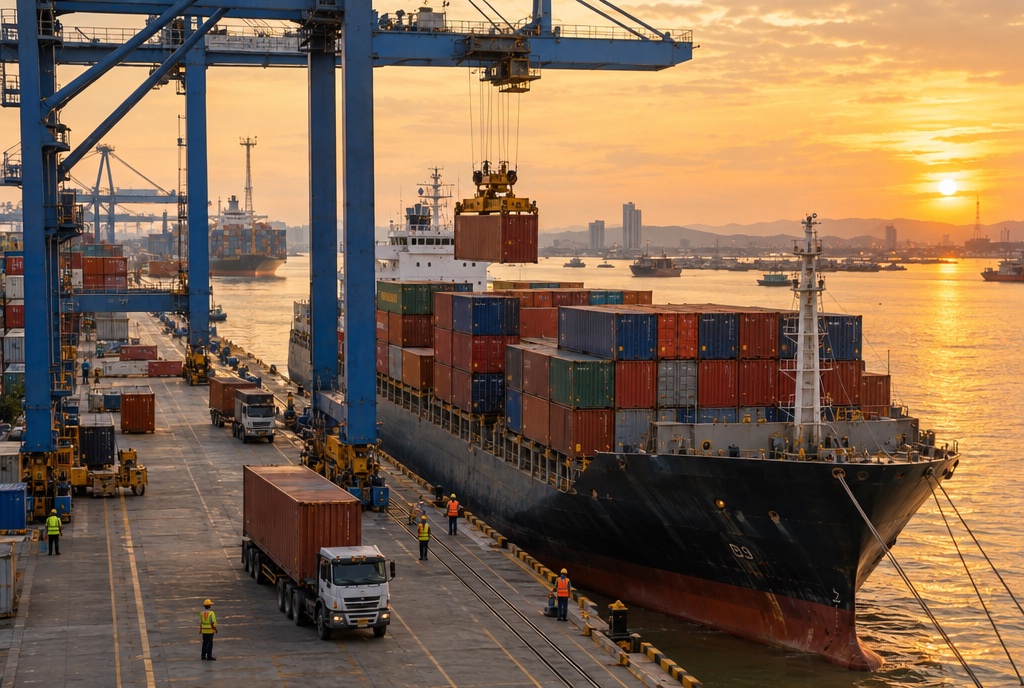
FCL or LCL: how should you ship food products to Europe?
If your shipment fills most of a container and you export regularly, FCL is usually easier to control; if you are testing the European…
Read article →

If your shipment fills most of a container and you export regularly, FCL is usually easier to control; if you are testing the European…
Read article →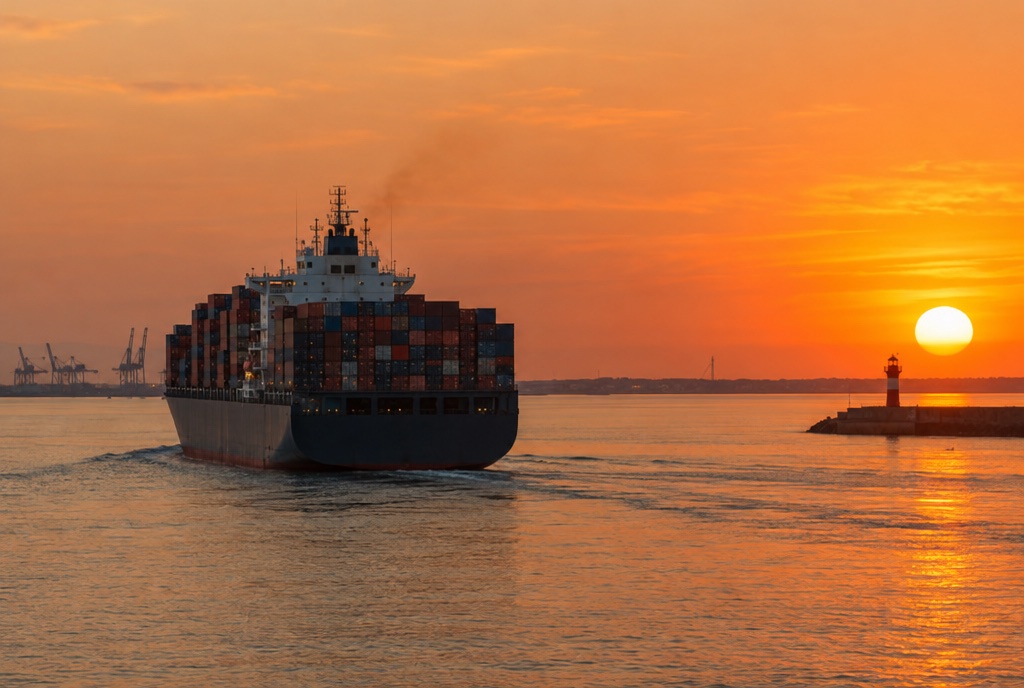
Neither term is better in every case: FOB gives you less responsibility and lower costs, while CIF gives you control over shipping and a…
Read article →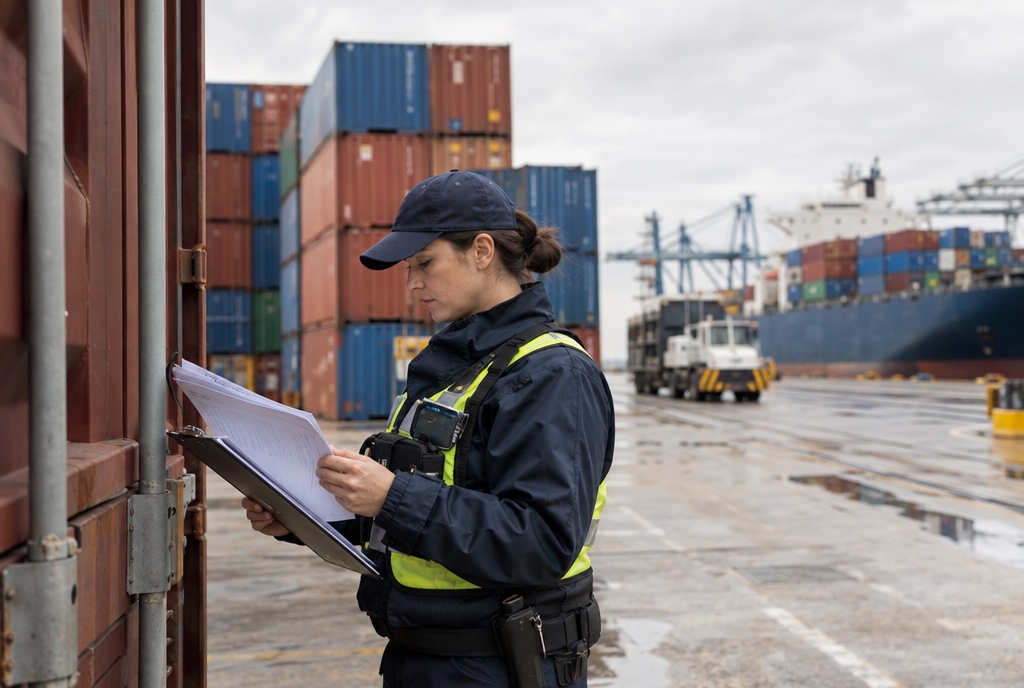
An EORI number is a company identification number used by EU customs. A Vietnamese company usually needs one if it acts as the importer…
Read article →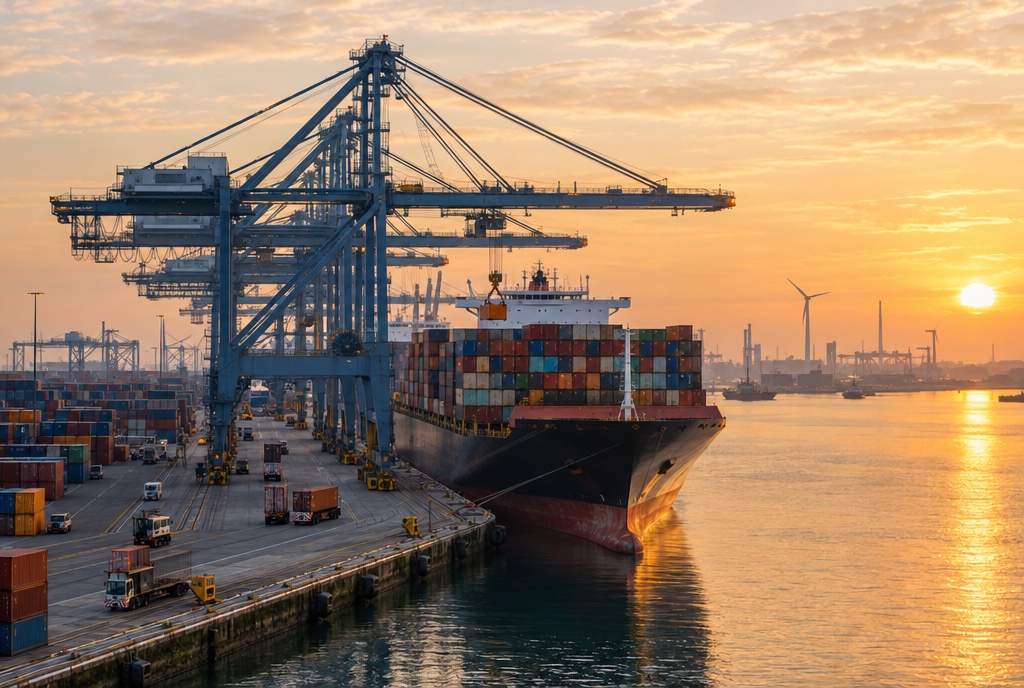
For many small and medium-sized producers, the Netherlands is a sensible first step into the EU thanks to its logistics gateway position and the…
Read article →
Vietnamese food entering the EU must be safe and traceable, produced under HACCP-based principles, labelled to EU standards, free of unauthorised additives, within residue…
Read article →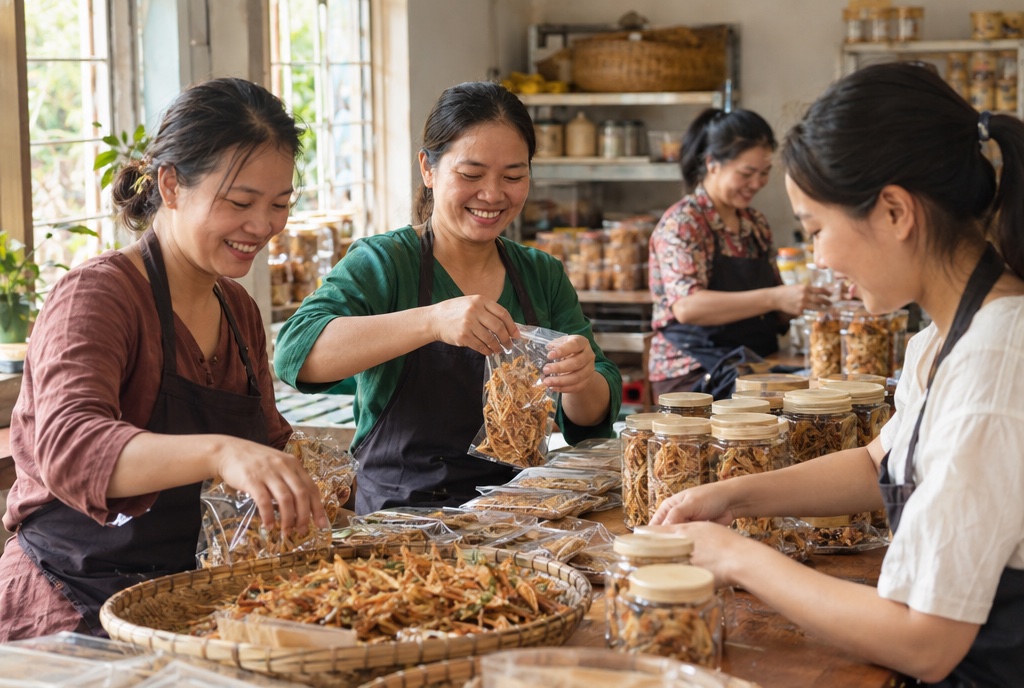
Europe has no special legal advantages for women-led businesses, but women entrepreneurs who export have real opportunities: an authentic product story, careful quality, and…
Read article →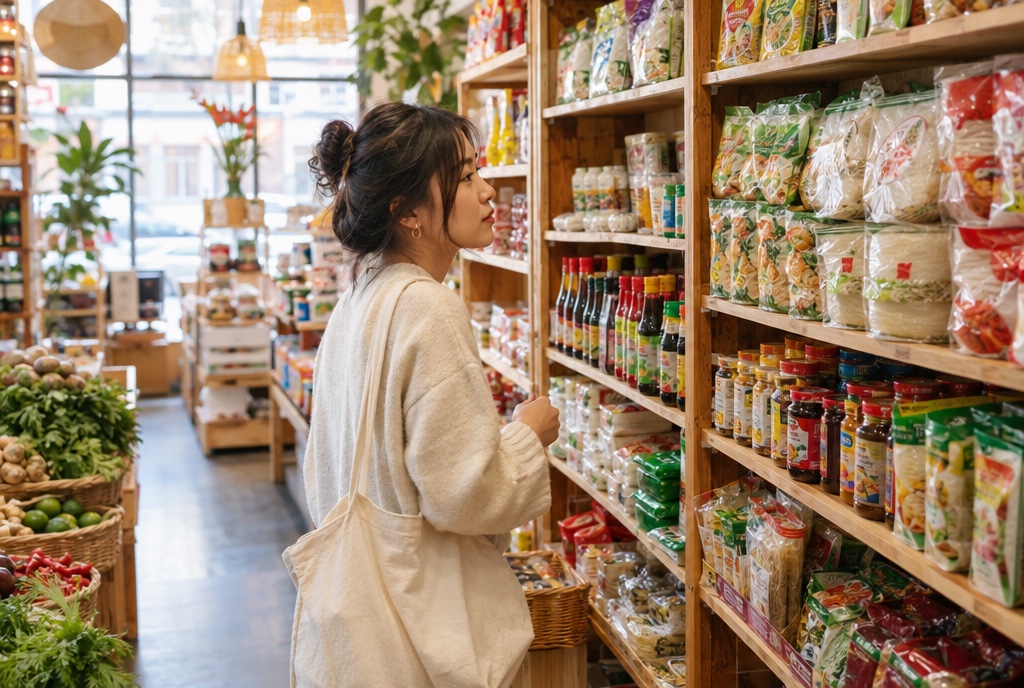
You don't have to choose one or the other: EU food safety and labelling rules apply the same way to every buyer. Start with…
Read article →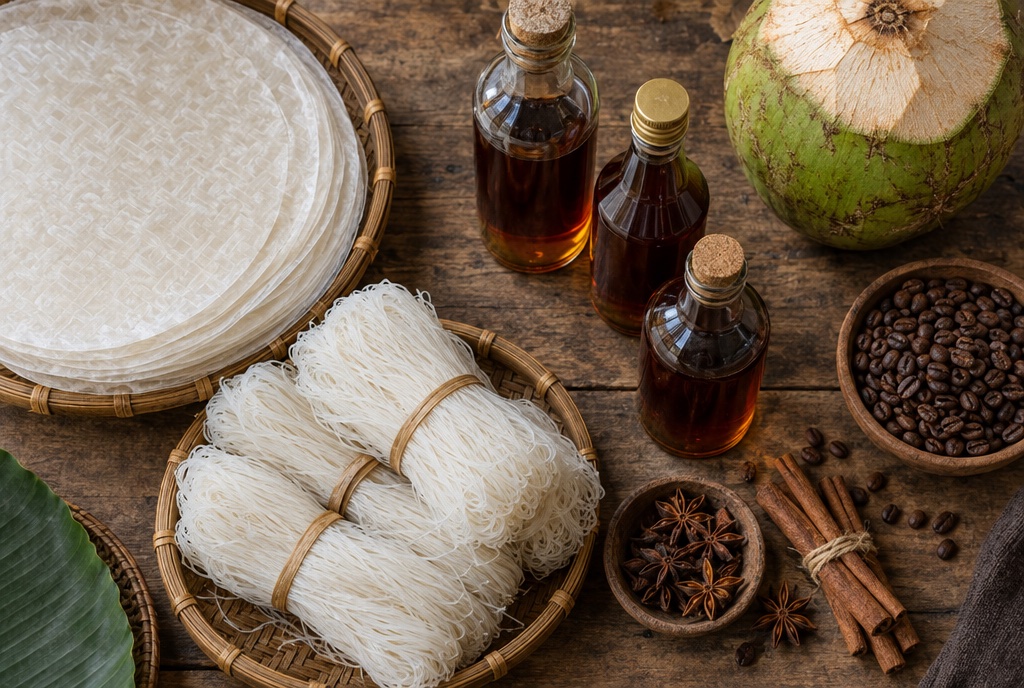
Vietnamese food products that tend to find buyers in Europe are dry, packaged, long-life items such as rice paper, sauces, noodles and vermicelli, coconut…
Read article →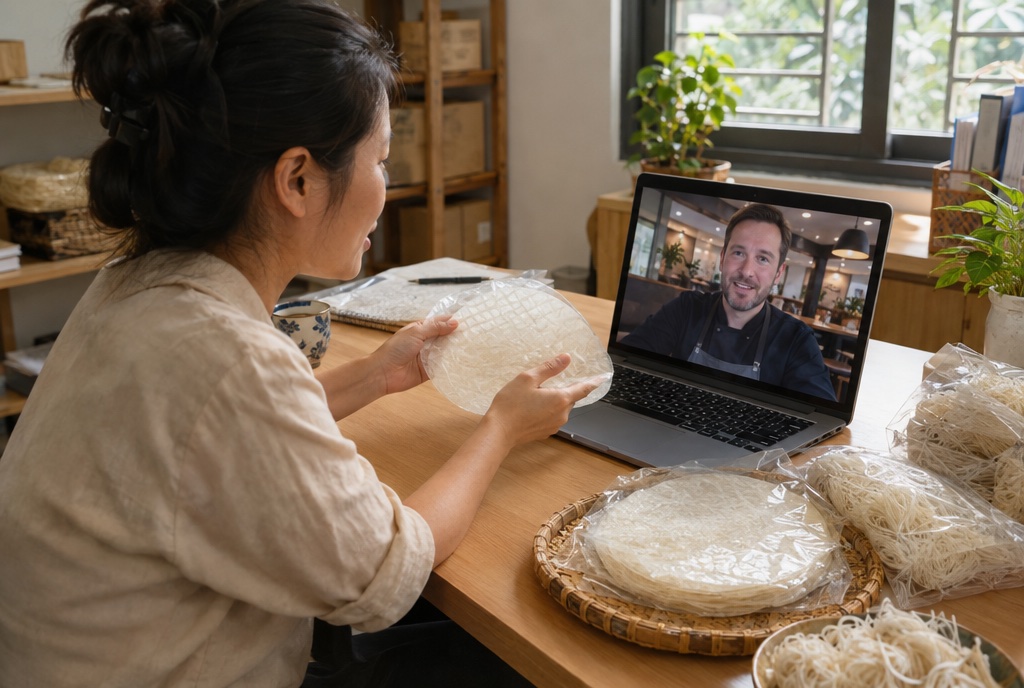
Yes. Vietnamese SMEs can sell directly to European business customers without a traditional distributor, but someone still has to handle warehousing, customs, delivery and…
Read article →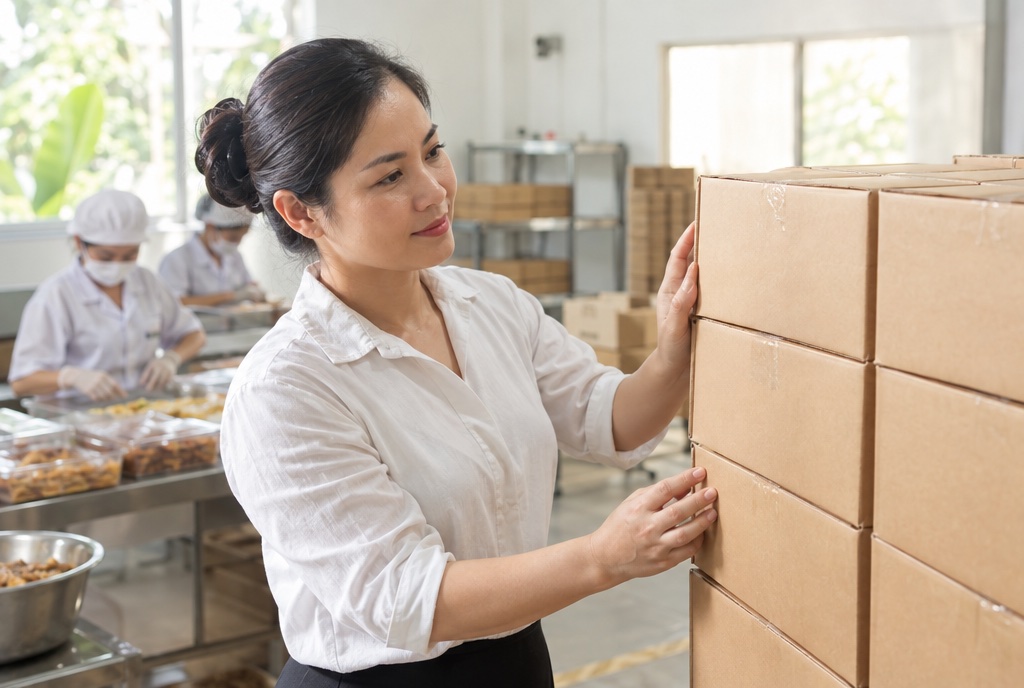
To export food from Vietnam to Europe for the first time, check that your product can be sold in the EU, prepare food-safety certificates,…
Read article →