

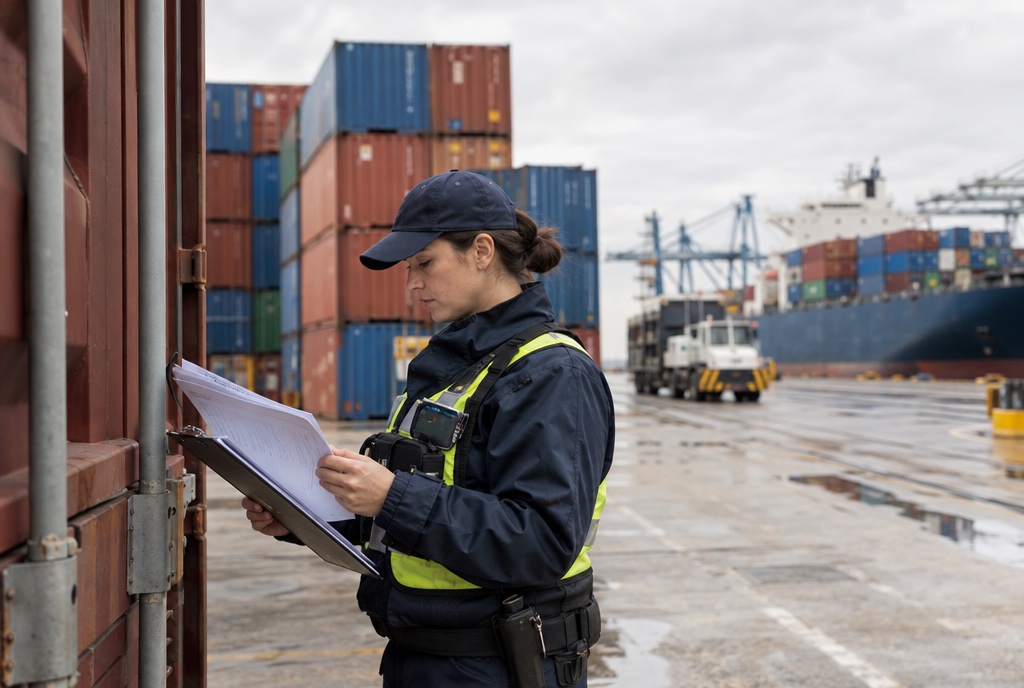
An EORI number is the identification number that identifies your company in the customs system of the European Union (EU). If your company files the customs declaration when goods enter the EU, meaning you are the importer on paper, you almost certainly need an EORI number. If a European partner acts as importer for you, they will use their own EORI number. Which situation applies to you depends on your sales model, so please confirm it with the customs authority or with Miss Linh before you ship your first consignment.
What is an EORI number?
EORI stands for Economic Operators Registration and Identification. EU customs authorities use it to see who is making a declaration, who owns the goods and who is responsible for a shipment crossing the EU border.
An EORI number normally consists of the country code of the issuing country followed by a series of digits. For companies outside the EU, it is usually issued by the customs authority of an EU member state, in the country where the company first needs it. Vietnam does not issue EORI numbers, and your Vietnamese tax code or business registration number cannot replace one.
When does a Vietnamese company need an EORI number?
As a general rule, a non-EU company needs an EORI number when it lodges a customs declaration or certain other declarations in the EU. In practice, think about an EORI number in these situations:
- You are the importer on paper. For example, you send goods to a warehouse in Europe and remain the owner until they are sold. Your company will then usually need an EORI number.
- You sell on delivered duty paid terms (DDP). The seller is responsible for import clearance and therefore usually needs an EORI number.
- Your European buyer imports the goods themselves. They use their own EORI number, and you may not need one of your own. Still, check with your buyer and your freight forwarder to be sure.
Samples also pass through customs, so ask your carrier whether a sample shipment needs an EORI number before you send it.
How is an EORI number different from a VAT number?
The two numbers are often confused because they are usually mentioned together when you prepare to import.
| Criterion | EORI number | VAT number |
|---|---|---|
| Used for | Identifying your company with customs | Reporting and paying value added tax |
| Authority involved | Customs | Tax authority |
| When needed | When completing customs formalities in the EU | When VAT obligations arise, for example when selling goods in the EU |
Having one does not mean you have the other. For goods stored in a warehouse in the Netherlands, you usually need to arrange both.
How to apply for an EORI number as a Vietnamese company
The exact procedure can differ per country, so the steps below are only a general picture:
- Decide in which EU country you will first deal with customs. If your goods enter via the Netherlands, you will work with Dutch Customs (Douane).
- Prepare your company’s legal details. This includes your name, address and business registration information. These details must match your other documents.
- Submit your application to the competent customs authority following their instructions, and ask exactly which documents they require.
- Keep your number and pass it on to your carrier or customs agent so it is shown correctly on the shipping documents.
Apply early, before the goods leave Vietnam, so you are not held up halfway. For processing times or costs (if any), ask the customs authority directly rather than relying on figures you have heard second-hand.
EORI numbers when you sell via Miss Linh
On Miss Linh, Vietnamese producers sell their products in their own name to restaurants, caterers, shops, supermarkets and wholesalers in Europe. The producer remains the owner of the products until they are sold, and the products are stored in a warehouse in the Netherlands, from where Miss Linh delivers them to buyers. This means the producer needs an EORI number and a Dutch VAT number, along with food-safety certificates (for example HACCP or ISO) and EU-compliant labelling and packaging.
You do not have to work it all out alone. Miss Linh helps with setting up VAT and customs, with transport and customs clearance to the warehouse, and with these preparation steps. The team speaks Vietnamese, Dutch and English. You can read more about how it works on the page about how to become a supplier, or look at the producers already on Miss Linh to see where you would fit in.
Common mistakes
- Assuming a Vietnamese tax code or business registration number works as an EORI number.
- Confusing the EORI number with the VAT number and applying for only one of them.
- Waiting until the goods have already left before thinking about registration.
- Using a company name or address that does not match across documents.
- Forgetting to give the number to the carrier or customs agent.
If you are not sure whether your product can be sold in the EU, or you do not know where to start, contact the Miss Linh team. We will tell you plainly what is possible and what needs further checking.
Frequently asked questions
Does Vietnam issue EORI numbers?
No. An EORI number for a non-EU company is issued by the customs authority of an EU member state. Your Vietnamese tax code or business registration number belongs to a different system and cannot replace it.
Is an EORI number the same as a VAT number?
No. An EORI number identifies your company with customs, while a VAT number relates to value added tax obligations. They are managed by different authorities, and you may need both.
If my European buyer imports the goods, do I still need an EORI number?
When the buyer acts as importer, they use their own EORI number, so you may not need one of your own. This depends on the delivery terms and how customs clearance is handled, so confirm with your buyer and carrier before shipping.
Does Miss Linh help me with the EORI number?
The producer arranges the EORI number and Dutch VAT number, and Miss Linh helps you through these steps, as well as with setting up VAT and customs. Contact the team to discuss your company’s specific situation.
Is this legal advice?
No. This article only explains the general picture. Rules can change and depend on your product, so please confirm the details with the competent customs authority or with Miss Linh.